
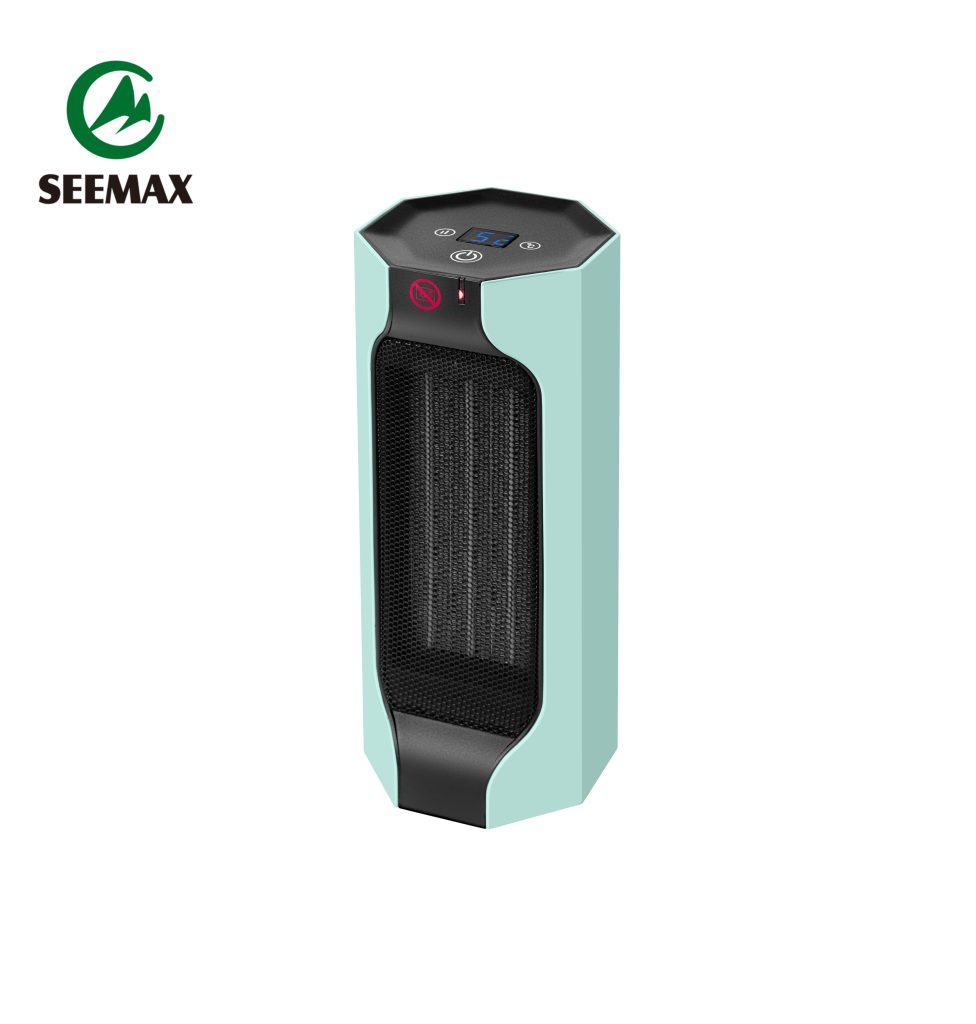
220-240V PTC Heater for Safe and Efficient Indoor Heating
By Ricardo – Marketing Director
PTC heaters have become a popular choice for indoor heating applications due to their inherent safety,
stable heat output, and energy-efficient characteristics.
Compared with traditional resistance heaters, PTC heaters automatically regulate heat generation,
making them suitable for residential and light commercial environments.
This article explores why 220-240V PTC heaters are widely used for indoor heating,
from heating technology and product structure to safety performance and manufacturing considerations.
The discussion is based on a practical product example available here:
220-240V PTC heater
.
How PTC heater technology works
PTC stands for Positive Temperature Coefficient.
Unlike conventional heating elements, PTC materials increase electrical resistance as temperature rises.
This self-regulating behavior allows the heater to limit its own temperature automatically.
As a result, PTC heaters provide consistent heat output without overheating,
reducing the risk of excessive surface temperature and improving overall safety during operation.
Product positioning of 220-240V PTC heaters
220-240V PTC heaters are typically designed for indoor environments such as bedrooms,
living rooms, offices, and small commercial spaces.
They are often used as supplemental heating solutions rather than primary heating systems.
The voltage range makes them compatible with standard power systems in many global markets,
allowing flexible deployment across regions.
Technical specifications overview
The following table provides a structured reference for typical 220-240V PTC heater specifications.
These parameters help buyers and engineers evaluate performance, compatibility,
and manufacturing readiness.
| Product Category | PTC Heater |
| Voltage | 220–240V |
| Heating Technology | PTC ceramic heating element |
| Application | Indoor heating |
| Control Type | Mechanical or electronic control |
| Certification | CB, CE, EMC, GS, RoHS |
| Customization | Customized logo, housing, packaging |
| Sample Support | Yes |
| Supply Ability | 100000 pieces per month |
| Trading Term | FOB |
Why PTC heaters are considered safer for indoor use
One of the main advantages of PTC heaters is their self-limiting temperature behavior.
When airflow is reduced or ambient temperature increases,
the PTC element naturally lowers power consumption.
This characteristic significantly reduces the risk of overheating,
making PTC heaters a preferred option for household environments,
especially where continuous or unattended operation may occur.
Heating performance and user comfort
PTC heaters deliver stable and gentle warmth without sudden temperature spikes.
They are often combined with optimized airflow design to distribute heat evenly across the room.
This makes them suitable for comfort-focused applications,
such as bedrooms or offices where quiet and consistent heating is required.
Manufacturing considerations and quality control
From a manufacturing perspective, PTC heaters benefit from standardized ceramic elements
and mature supply chains.
Consistent assembly processes and electrical testing ensure stable performance
and long service life.
Scalable production capacity and quality control systems support long-term supply
for distributors and brand partners.
Typical application scenarios
Common application scenarios for 220-240V PTC heaters include:
- Residential bedrooms and living rooms
- Home offices and study rooms
- Small commercial or hospitality spaces
- Supplemental heating during cold seasons
Conclusion understanding PTC heater solutions
220-240V PTC heaters are widely used for indoor heating due to their safety,
energy efficiency, and stable thermal performance.
Their self-regulating heating behavior makes them well suited for modern residential environments.
By understanding PTC heating technology, technical specifications,
and manufacturing considerations, buyers can better evaluate
their suitability for long-term indoor heating solutions.